

Welcome to Anti-Doping

Ensuring a dopefree environment for athletes and sports


DopingDefiance
#SayNoToDoping

Athletes always want to find a competitive edge that can help them get better in their sport. Many do this by training hard, resting well, embodying mindfulness and living healthy lifestyles. Sometimes though — whether because of a friend, a coach, or a personal decision — athletes take substances that can give them a short term edge over their competitors.

Field Hockey Stick and Ball

The Objective

NADA India’s Education Plan lays out its objectives very distinctively which are as follows:

  • Guiding the implementation of NADA India’s education and awareness initiatives
  • Raising awareness against doping in sports
  • Promoting values associated with sports and fair play amongst the sports ecosystem in India.
  • Sensitizing athletes and athlete support personnel against doping in sports
  • Providing accurate and timely anti-doping information to all stakeholders
  • Monitoring, evaluating and reporting the anti-doping education and awareness activities

The Eco-System

ATHLETE

  • College / University Level Athletes
  • State Level Athletes
  • National Level Athletes
  • International Level Athletes

Athlete Support Personnel

<
  • Coaches
  • Managers
  • Trainers
  • Agents
  • Team Staff
  • Parents
  • Sports medicine practitioners & physiotherapists
  • Medical/ Para-medical personnel
  • Anti-doping practitioners

Government Departments

  • Ministry of Youth Affairs & Sports
  • Ministry of Education
  • National Dope Testing Laboratory
  • Sports Authority of India
  • Sports Departments of States & Union Territories

Sports Bodies & Organizations

  • National Sports Federations
  • National Sports Promotion Organizations
  • Paralympic Committee of India
  • Police Sports Control Board
  • Railway Sports Promotion Board
  • NGOs & CSR organizations working in sports development
  • Sports Clubs, Academies & Training Centres

Academic, Scientific, Research & Sports Institutions

  • Sports Institutions funded by Ministry of Youth Affairs & Sports, Government of India
  • Other Sports & Physical Education Colleges & Universities
  • Physical education teachers
  • Physical Education Institutes such as National Institute of Pharmaceutical Education and Research, Hyderabad
  • National Forensic Sciences University
  • Food Safety Standards Authority of India
  • Sports Medicine, Sports Science & Sports Research Institutions
  • Medical Institutions

Others

  • Media personnel
  • Sports Law Professionals
  • National Sports Event Organizers
  • Competition Managers
  • Sports Event Sponsors
  • Sports Events Logistics Agencies

Delivering the Programme

NADA India has been providing anti-doping education content, enhancing outreach communications and enabling access to information. The Agency is endeavoring to make anti-doping content and information available in all vernacular languages of India to ensure last-mile reach and increased awareness at the grassroots. Some of the delivering tools for the education and awareness programmes of the Agency include the following:

NADA India Education Pool

NADA India has identified the below categories for the NADA India Education Pool based on the level of participation in sports, vulnerability to doping, and need for anti-doping education:

School Sports Students

School Sports Students, Parents, and Physical Education Teachers

Young & Budding Athletes

Athletes Identified at Sports Authority of India’s Khelo India Academies

Talented Athletes

Athletes Training in Sports Authority of India’s National Centres of Excellence

National Level Athletes

Target Olympic Podium Scheme (TOPS), Development Group Athletes, Athletes Participating in National Events

International Level Athletes

TOPS Athletes with Any Impairments Participating in National and International Events

RTP athletes

Athletes identified in the Registered Testing Pool

Athlete Support Personnel

Coaches, Managers, Trainers, Sports medicine practitioners & physiotherapists, Medical personnel, Anti-doping practitioners

Athletes participating in recreational sports

Athletes training in fitness centres, gyms and engaging in recreational or non-competitive activities

NADA India’s Inclusive Efforts

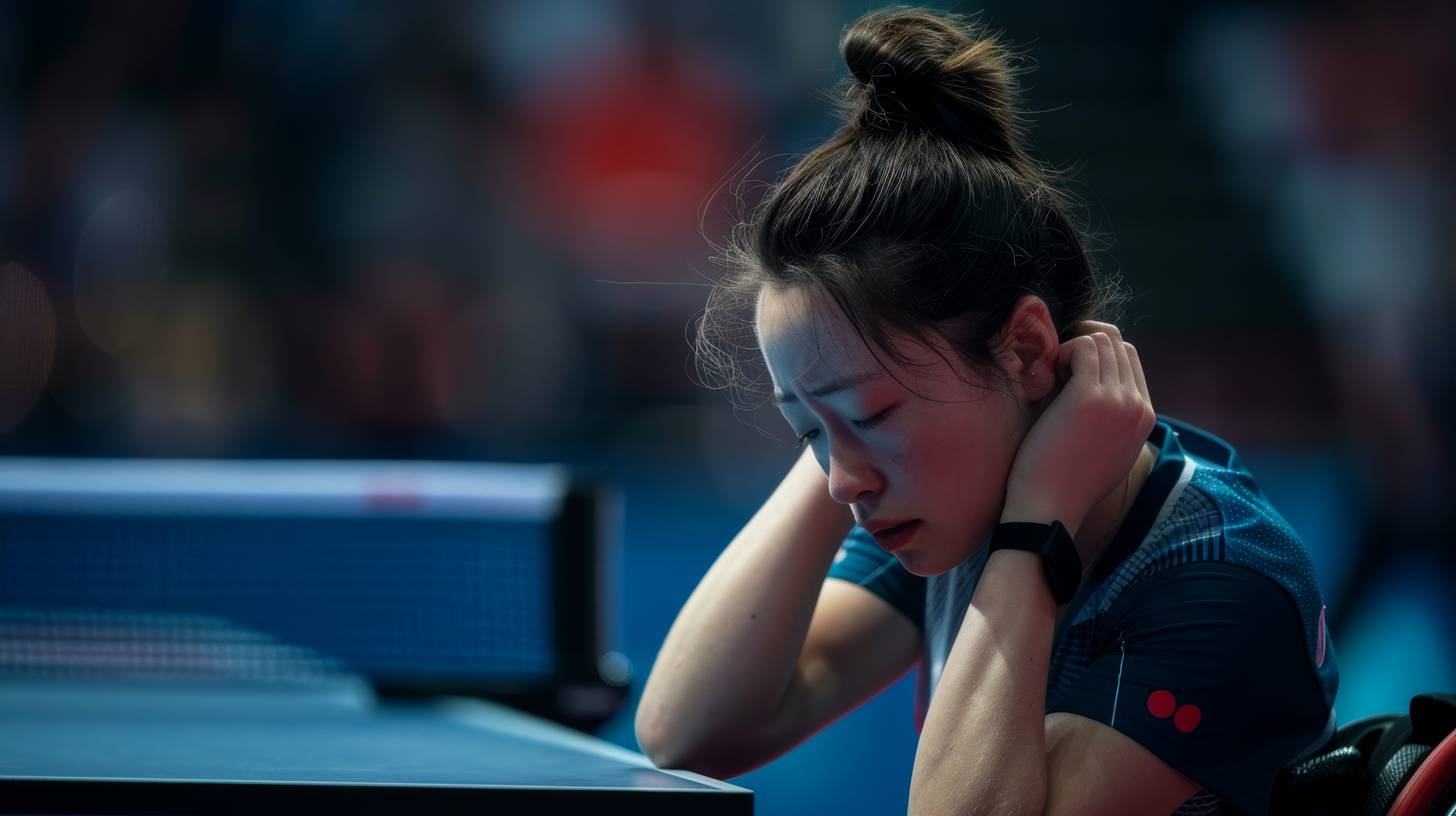
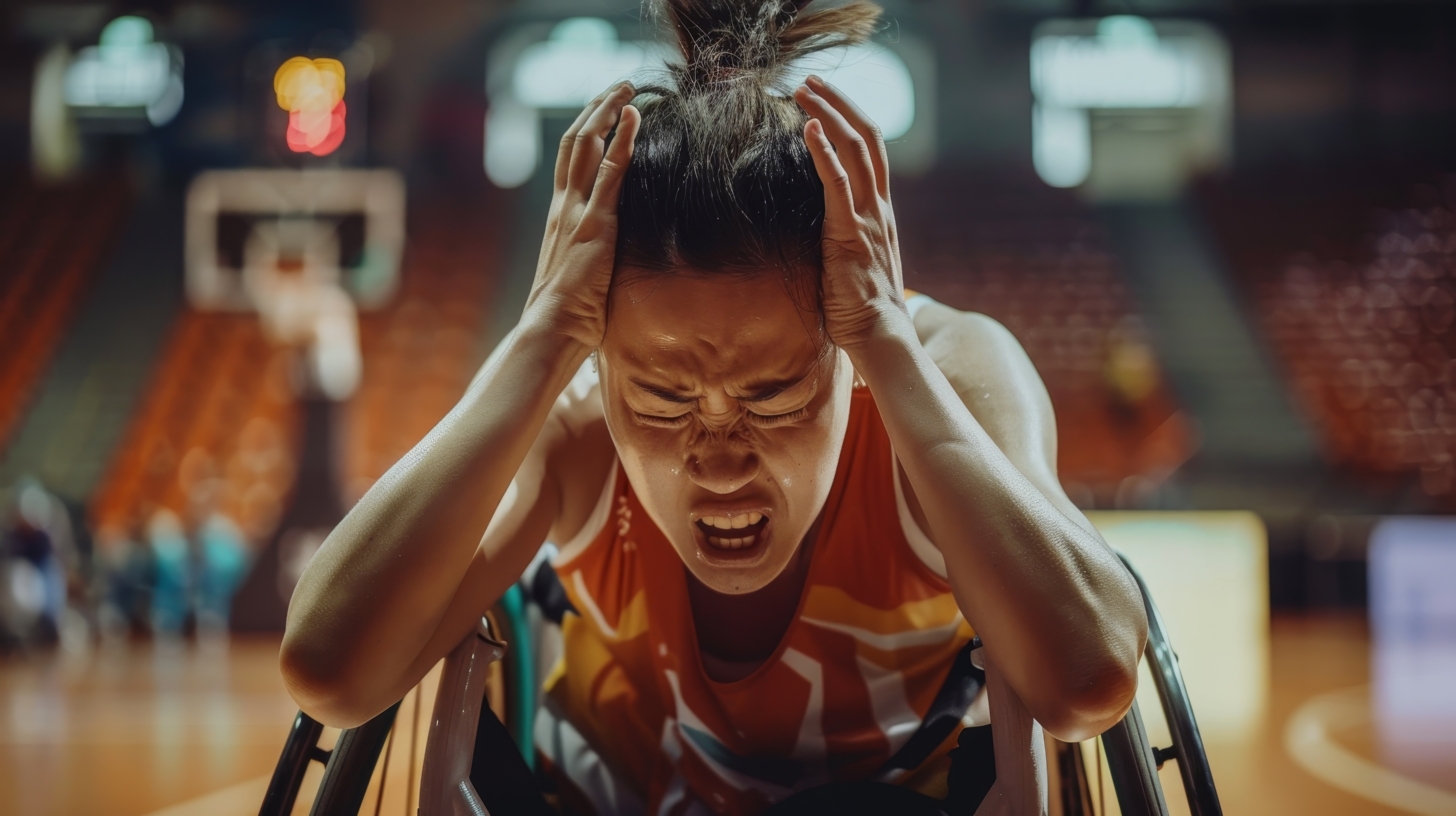
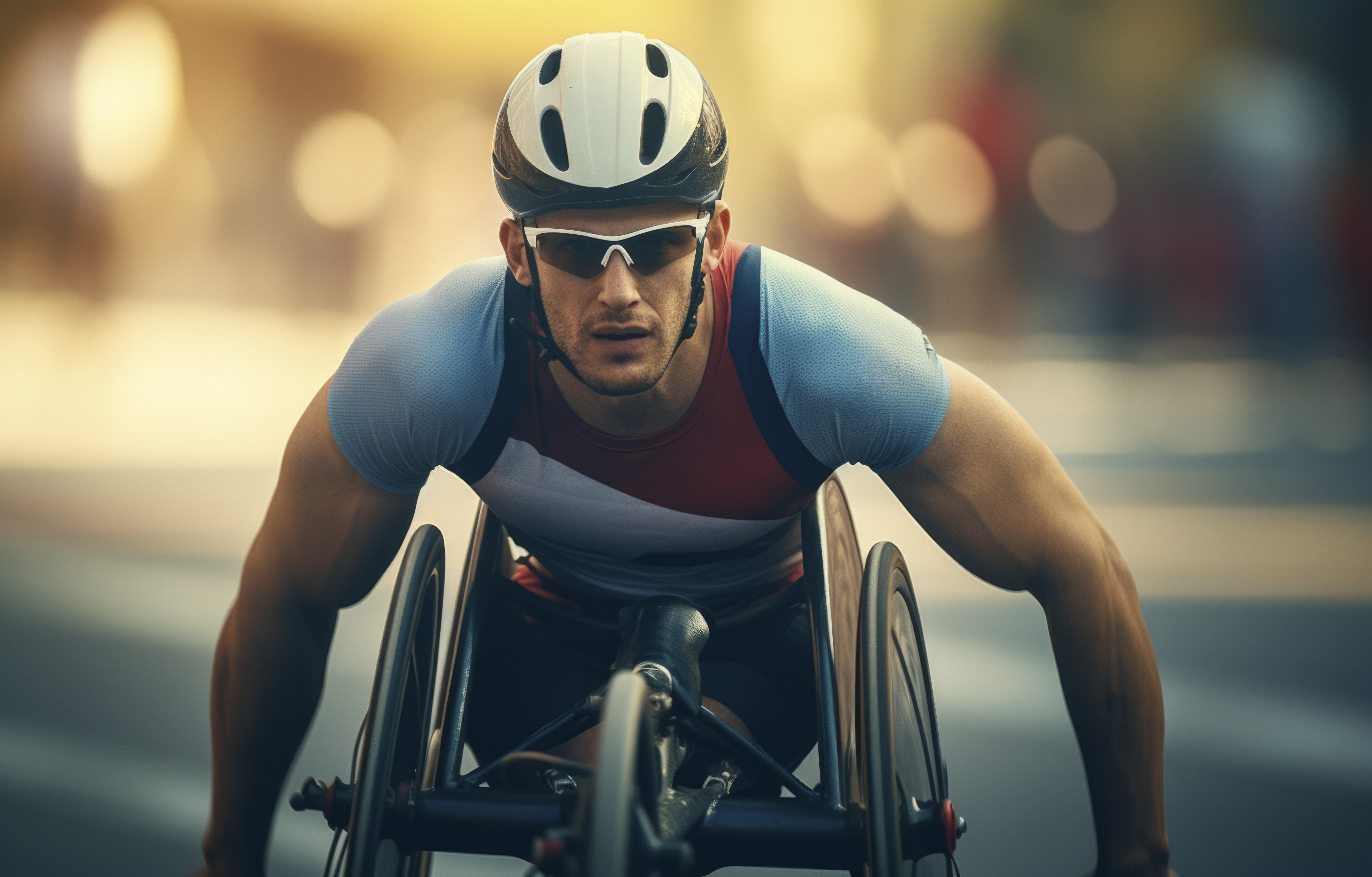
Athletes with Disabilities make up a large section of the sporting community and are affected by inadequate inclusive resources. To avoid inadvertent cases of Anti Doping Rule Violations, protect the rights of athletes with disabilities and provide a level-playing field, it is necessary to increase inclusive anti-doping outreach, awareness and education initiatives.

Example Image

Athletes with Disabilities make up a large section of the sporting community and are affected by inadequate inclusive resources. To avoid inadvertent cases of Anti Doping Rule Violations, protect the rights of athletes with disabilities and provide a level-playing field, it is necessary to increase inclusive anti-doping outreach, awareness and education initiatives.

NADA India has developed anti-doping education content in Universal Design of Learning (UDL) to augment anti doping awareness efforts amongst athletes with disabilities. Information leaflets in Braille have also been developed.

NADA India is also signing Memorandums of Understanding (MoUs) with the Central Institute of Educational Training (CIET) and National Centre for Education & Research Training (NCERT), Ministry of Education, Government of India to develop inclusive and engaging anti-doping awareness content and tools.

Mutual Recognition and Sharing Resources of Anti-Doping Education & Awareness


The focus of NADA India’s Education Plan is to sensitize and educate the national sports ecosystem about anti-doping practices. NADA India also work with other Code Signatories to recognize their anti-doping program and reduce duplication efforts. Other Signatories may apply to NADA India through an official email for recognition of their program, submit their documented program and allow a period of 3 weeks to NADA India to send out the official notification. The anti-doping education resources developed by NADA India are also available to all other International Anti-Doping Organizations upon request and with due to credits.

In accordance with the International Standard for Education (ISE) the NADA India encourages Signatories to engage and cooperate with us, to carry out anti-doping education – in the interests of clean sport and to maximize effectiveness and minimize duplication.

Anti-doping education activities (for example, e-learning, sessions or an in-person workshop,) delivered to the International or Registered Testing Pool athletes must be recognized by us as meeting the requirements of the ISE. Signatories may apply for recognition of specific education activities for these athletes (and others) by completing and submitting this form.

Managing the Risk of Nutritional Supplements

The facts – what you need to know about supplements:

  • No supplement is 100% risk-free.
  • Supplements may contain substances from WADA’s Prohibited list.

Principle of strict liability:

  • Athletes are solely accountable for prohibited substances in their system.
  • Responsibility remains regardless of how the substance entered their system or intent to cheat.

Risk of Supplements

Extreme caution is recommended regarding supplement use. A number of positive tests have been attributed to the misuse of supplements, poor labeling, and supplement contamination. There is no 100% guarantee that a supplement is free from prohibited substances, but there are ways to significantly minimize the risk.

Risks of supplements include:

Fake or Low-Quality Products

Which may contain prohibited substances and other substances that are harmful to health.

Manufacturing Standards

These lower standards often lead to supplement contamination at production facilities.

False Claims

A particular supplement is endorsed by Anti-Doping Organizations or that it is “safe for athletes”.

Mislabeling of Supplements

Ingredients listed in the wrong dosage, or not at all identified on the product label.

Anti-Doping Basics

What You Should Do?

  • All athletes should do a risk-benefit assessment if they are considering the use of supplements.
  • The first step of such an assessment is to consider whether a "food-first" approach meets the athlete’s needs.
  • Whenever possible, such an assessment should be done with the support of a certified nutritionist/dietician who is familiar with the anti-doping system.

How do Athletes Reduce the Risk of Taking Supplements?

If, after careful consideration, an athlete chooses to use supplements, they must take the necessary steps to minimize the risks. This includes:

  • Select supplements only when a benefit is likely – this should be done with the assistance of a certified nutritionist/dietician who can properly assess the athlete's needs.
  • Select supplements that have been batch-tested by reliable third-party testing agencies like Informed Sport, Certified for Sport, or Kölner Liste.
  • Remember, no supplement is 100% risk-free but athletes and Athlete Support Personnel can take certain steps to minimize these risks.