

Welcome to Anti-Doping

Ensuring a dopefree environment for athletes and sports


DopingDefiance
Event Image

2013 : The Biogenesis scandal reveals doping in the MLB

EVENT ONE

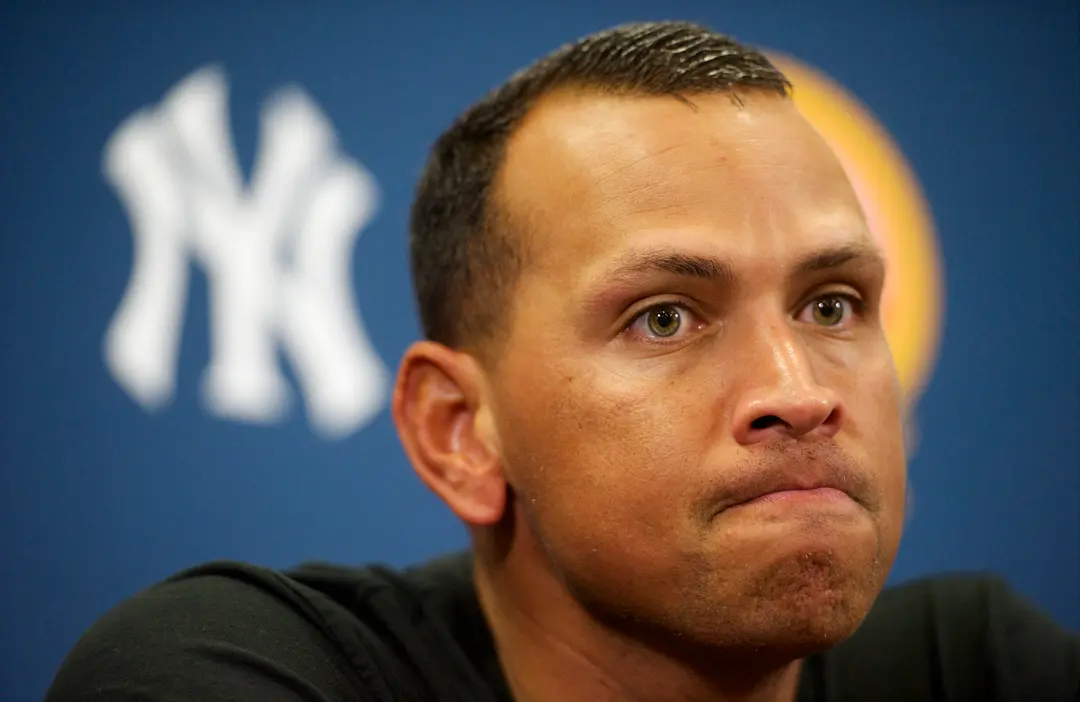
In January 2013, Florida's Biogenesis clinic was exposed for supplying MLB players with performance-enhancing drugs. The scandal led to suspensions for over a dozen players, including Ryan Braun (65 games) and Alex Rodriguez (211 games, later reduced to 162). Rodriguez admitted to doping for immunity. MLB responded with promises of stricter penalties and increased testing.


Event Image

2012 : Cyclist Lance Armstrong is stripped of his Tour de France titles

EVENT TWO

Lance Armstrong, a cancer survivor and seven-time Tour de France winner (1999-2005), was accused of doping by former teammate Floyd Landis in 2010. In 2012, the U.S. Anti-Doping Agency charged him, leading to a lifetime ban and the loss of his titles. In 2013, Armstrong admitted to running a sophisticated doping program during his victories.

Event Image

2003 : The BALCO scandal begins

EVENT THREE

In 2003, the U.S. Anti-Doping Agency exposed the designer steroid THG, tied to BALCO and its founder Victor Conte. Marion Jones admitted to steroid use in 2007, forfeiting her five 2000 Olympic medals and serving six months in prison for lying to investigators. BALCO also linked to Barry Bonds, who denied knowingly using steroids despite evidence of drug use

Event Image

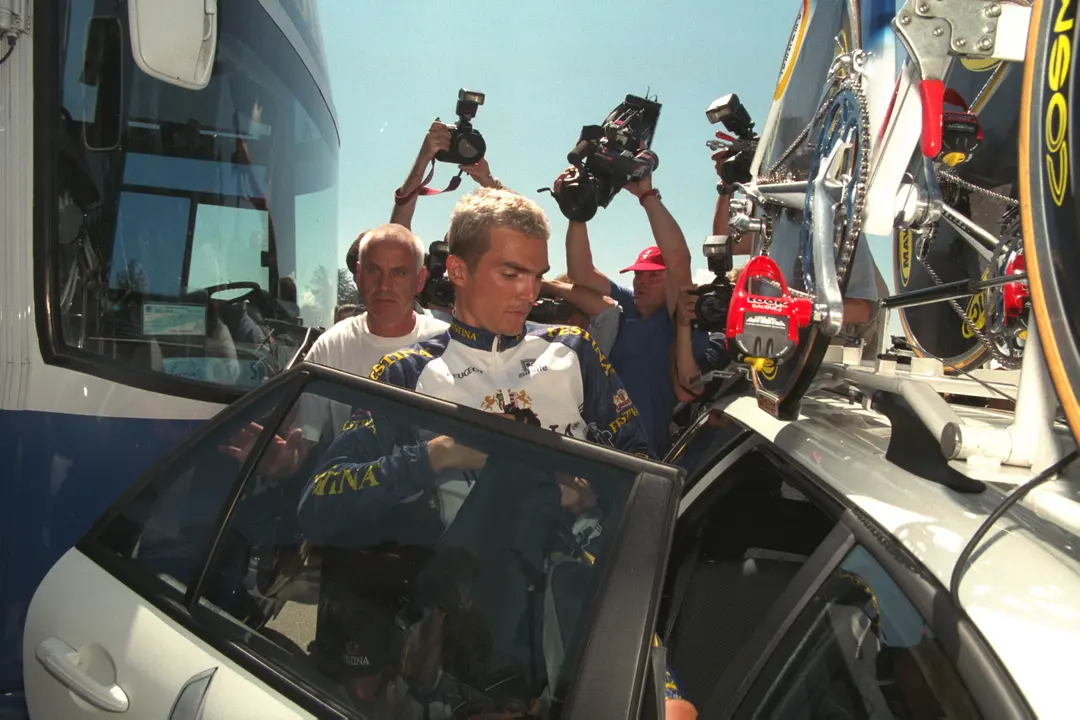
1998 : The Festina cycling team is caught doping during the Tour de France

EVENT FOUR

In 1998, a border search in Lille uncovered performance-enhancing drugs linked to the Festina cycling team during the Tour de France. Police investigations revealed an organized doping program, leading to the team;s expulsion. The scandal, one of cycling;s biggest, spurred the creation of the World Anti-Doping Agency in 1999 to combat doping in sports.

Event Image

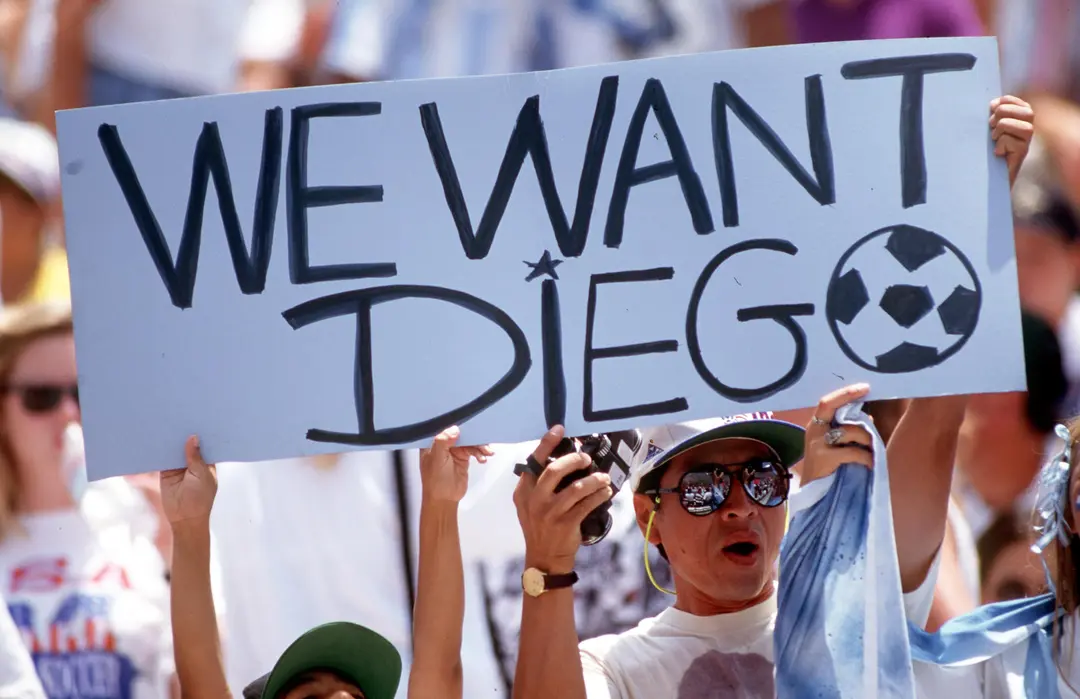
1994 : Diego Maradona's ephedrine use eliminates the soccer player from the World Cup

EVENT FIVE

Diego Maradona, who led Argentina to victory in the 1986 World Cup, tested positive for ephedrine at the 1994 World Cup, ending his tournament and national team career. Despite a prior suspension for cocaine use, Maradona had staged a comeback with impressive early performances. The scandal overshadowed his return, and he never played for Argentina again.

Event Image

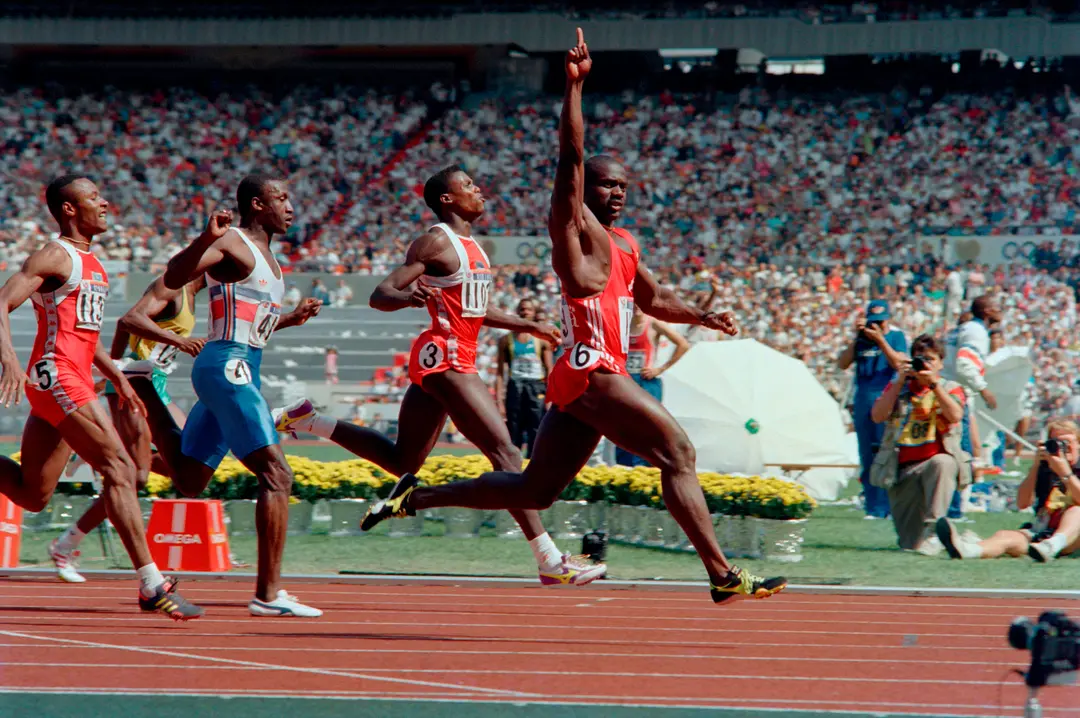
1988 : Track star Ben Johnson tests positive for steroids

EVENT SIX

Canadian sprinter Ben Johnson won the 100m gold at the 1988 Seoul Olympics, setting a world record and defeating Carl Lewis. However, he tested positive for steroids, lost his medal, and saw his career collapse. Johnson's downfall exposed doping as a widespread issue in athletics, not just a problem of the Communist bloc, reshaping the sport's anti-doping efforts.

Latest News

...
United news of India

Niroshan dickwella's 3 years ban reduced to 3 months following appeal

Read More
...
Mid Dav

Iga Swiatek reflects on suspension: 'a horror and nightmare'

Read More
...
Spanish Football

One Real Madrid star was put through an anti-doping test after win over Girona

Read More
Athlete

Athlete Toolkit

THE RULES
RIGHTS & RESPONSIBILITIES
PROHIBITED SUBSTANCES
DOPING CONTROL PROCESS
ATHLETE BIOLOGICAL PASSPORT
RISK OF NUTRITIONAL SUPPLEMENTS
PARIS PINNACLE BOOKLET

Frequently Asked Questions

Doping refers to the use of prohibited substances or methods by athletes to enhance their performance. It violates fair play principles and can have serious health and ethical consequences.

Antidoping ensures fair competition, protects athletes' health, and maintains the integrity of sports. It prevents the misuse of drugs that can harm athletes physically and mentally

Prohibited substances include anabolic steroids, stimulants, hormone modulators, diuretics, and other drugs listed by the World Anti-Doping Agency (WADA). The list is updated annually.

Check the WADA prohibited list regularly. Use medications only after consulting a sports doctor. Avoid supplements unless verified by trusted authorities. Be cautious about contaminated substances

Penalties include suspension or ban from competitions, loss of medals and titles, damage to reputation, and potential legal actions.

Drug testing involves collecting samples (urine, blood, or both) from athletes to detect banned substances. Testing can occur during competitions or randomly at any time to ensure compliance with antidoping rules.